

- Renders show painted, lit miniatures before production exists.
- Kickstarter bans photorealistic renders for hardware, not tabletop games.
- Label renders clearly and show real prototypes when you can.
- One render set feeds page, ads, stretch goals and late pledges.
Most tabletop campaigns launch before a single production miniature exists. Renders bridge that gap: they show backers the finished game, painted and lit, while the factory is still months away.
Are renders allowed on Kickstarter?
Kickstarter requires working prototypes and does not allow photorealistic renderings for hardware and product design projects. Tabletop games fall under a different category, and renders of boxes and miniatures are common on game pages. Still, honesty matters: label renders clearly and show real prototypes or sculpts when you have them.
From STL to painted miniature
Your sculptor’s STL files are the starting point. A 3D team cleans the mesh, adds materials and paint, and lights the model like a product shot. The same model can then become a 360° turntable, a scale comparison or a close-up for stretch goals.
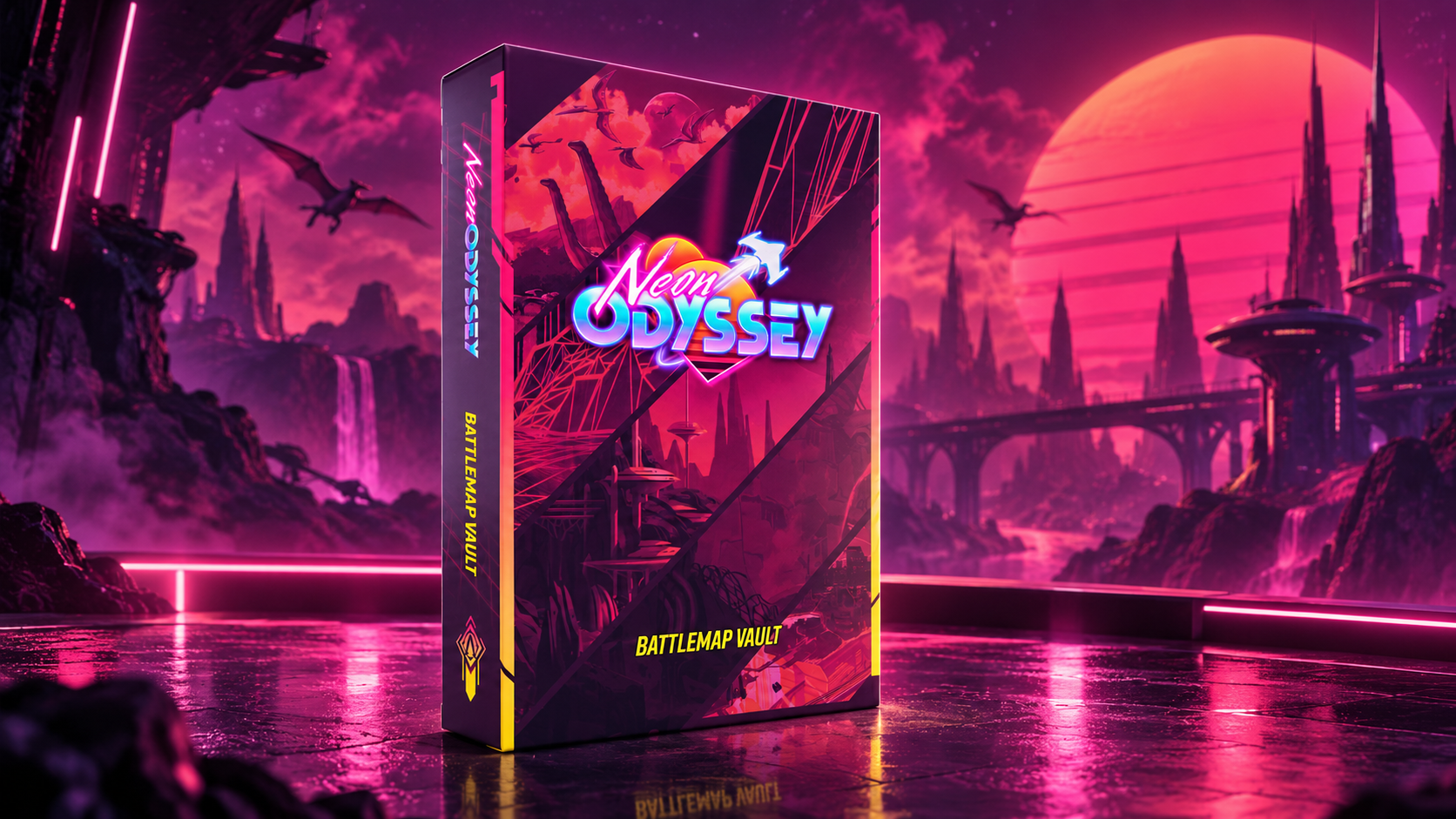 From our portfolioNeon Odyssey · AvantrisDozens of miniatures rendered photoreal for a $16.1M campaign.See the case study →
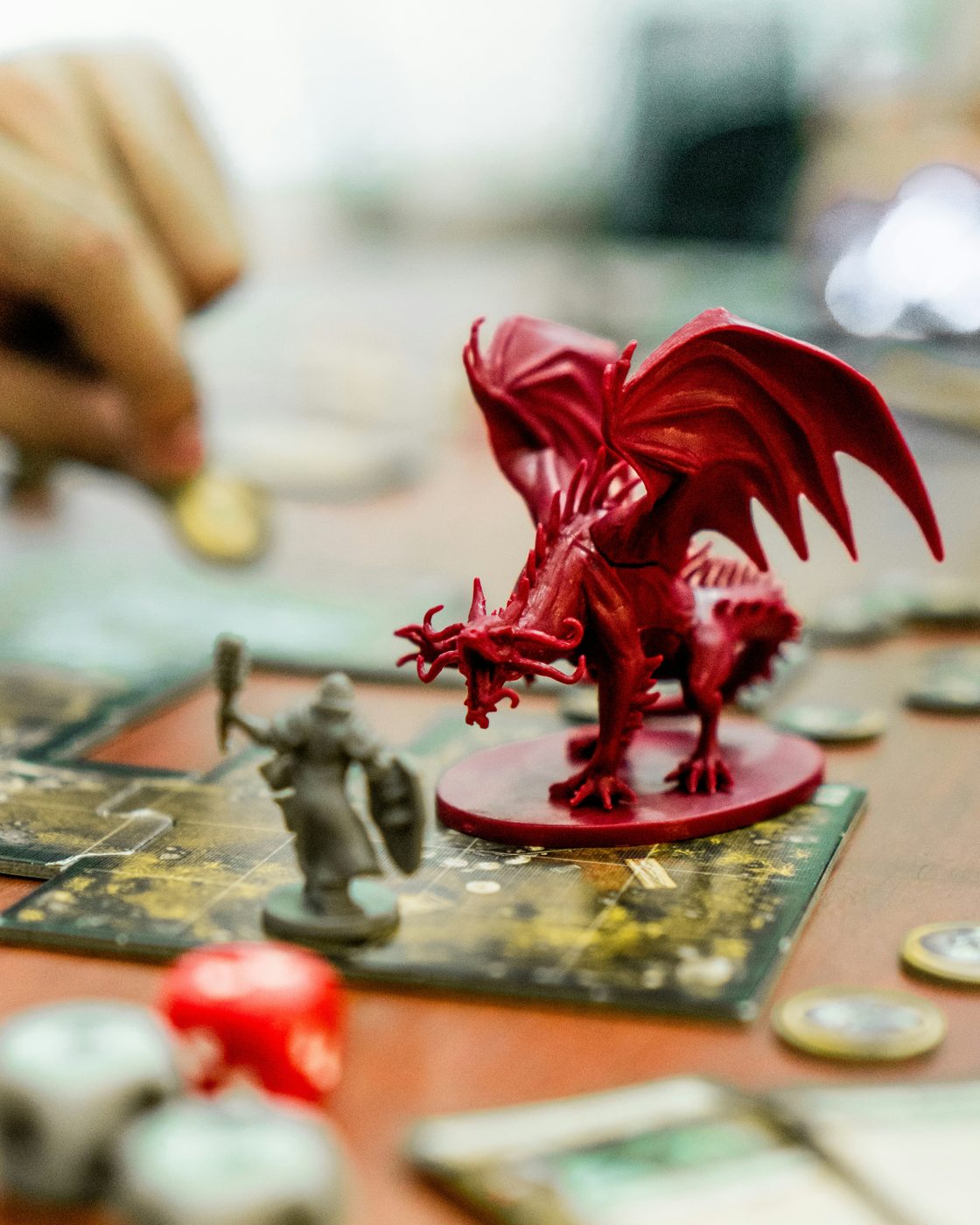
Lighting, scale and context
- Lighting: soft, directional light shows sculpt detail.
- Scale: include a hand, a coin or a standard base for size.
- Context: place miniatures on the board, not only on white.

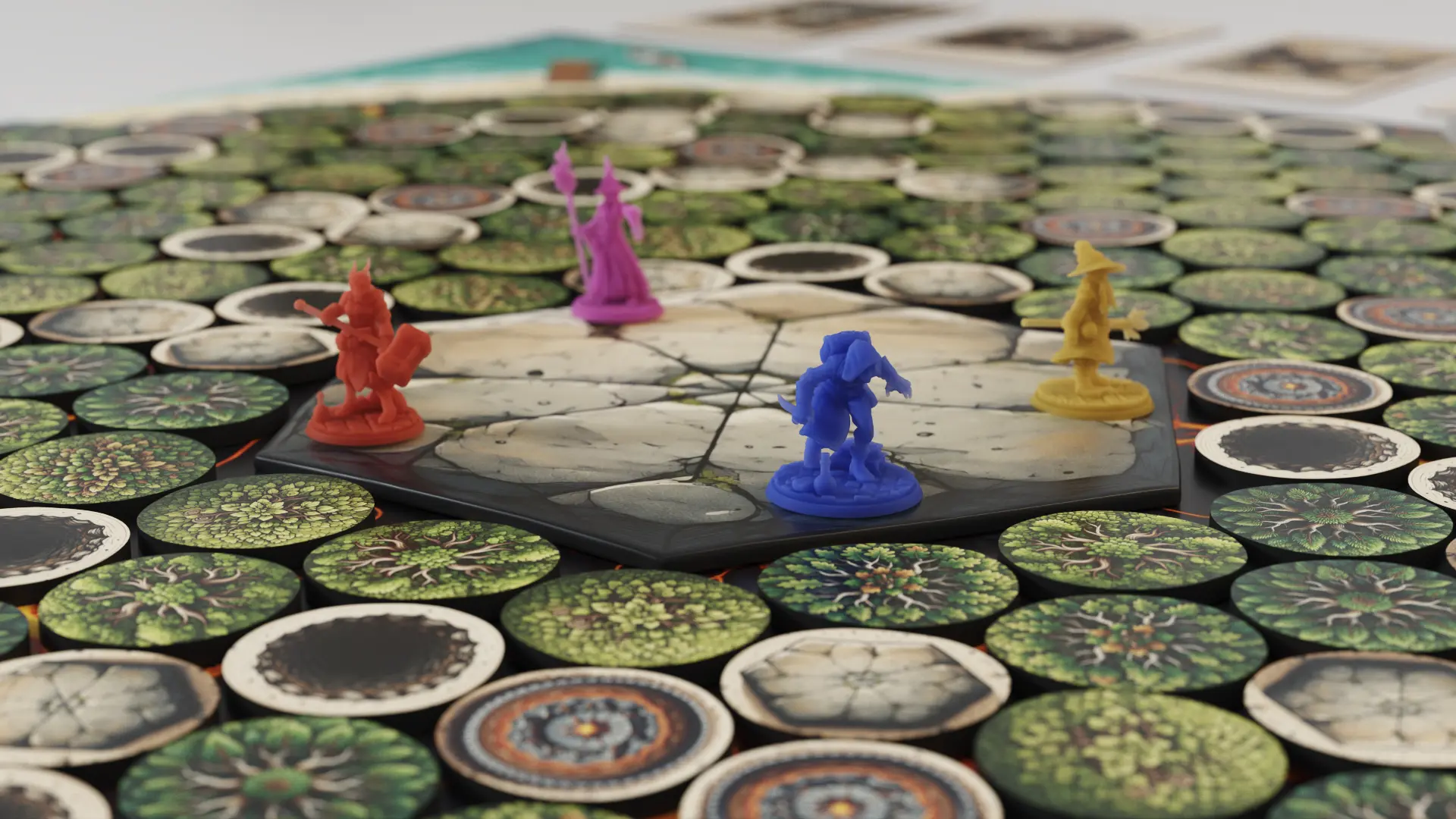 From our portfolioDungeon ForestHero renders lit for clarity on a campaign page.See the case study →
Using renders across page, ads and late pledges
One set of models feeds the whole campaign: page headers, pledge-level cards, GIFs, ad creatives and later the late pledge store. For Neon Odyssey we produced a large catalog of miniature, dice and component renders that supported a campaign that raised $16.1M on Kickstarter.
Frequently asked questions
Can I use renders on a board game Kickstarter?
Kickstarter’s ban on photorealistic renderings applies to hardware and product design projects. Renders of boxes and miniatures are common on tabletop pages, but label them clearly and show prototypes when available.
Can miniatures be rendered from STL files?
Yes. A 3D team cleans the sculptor’s STL files, adds paint and materials, and lights them like product shots, turntables or close-ups.
Why use renders instead of photos of samples?
Production samples often arrive after launch. Renders show the finished, painted quality backers will receive, months earlier.
How many miniature renders does a campaign need?
Enough to show every pledge level, add-on and stretch goal clearly: hero shots, scale comparisons and context shots on the board.


