

- Start creative work 6–12 months before launch: world bible, key art and logo first.
- Open your Kickstarter pre-launch page early and grow followers with teasers and ads.
- Produce trailer, renders and page visuals 4–8 weeks before launch.
- Plan stretch goal graphics and late pledge visuals before day one.
Launching a board game on Kickstarter is less about the launch day than about the twelve months before it. The campaigns that fund fast are the ones that arrive with a clear world, a growing follower list and every visual asset ready to go. This checklist walks you through what to make, and when.
Why tabletop is still Kickstarter’s strongest category
Tabletop remains the platform’s engine. According to Kickstarter’s own 2024 games report, 6,646 tabletop projects launched that year and 5,314 were funded, an 80% success rate, the highest in the platform’s 15-year history, with $220M pledged to successful tabletop campaigns.
A high success rate also means a crowded feed. Backers compare your page with hundreds of polished campaigns, so presentation is no longer optional: it is what earns the click, the follow and the pledge.
12–6 months out: world, key art and visual identity
Start with the world, not the page. Define the tone, factions and visual language of your game in a short world bible, then commission the key art that will appear everywhere: box cover, Kickstarter header, ads and social. A consistent identity is what makes a backer recognize your game the third time they see it.
- Logo lockup and title treatment
- Key art in horizontal (page header) and vertical (social, ads) crops
- Color palette and type system for the campaign page
- First renders of the box and hero components
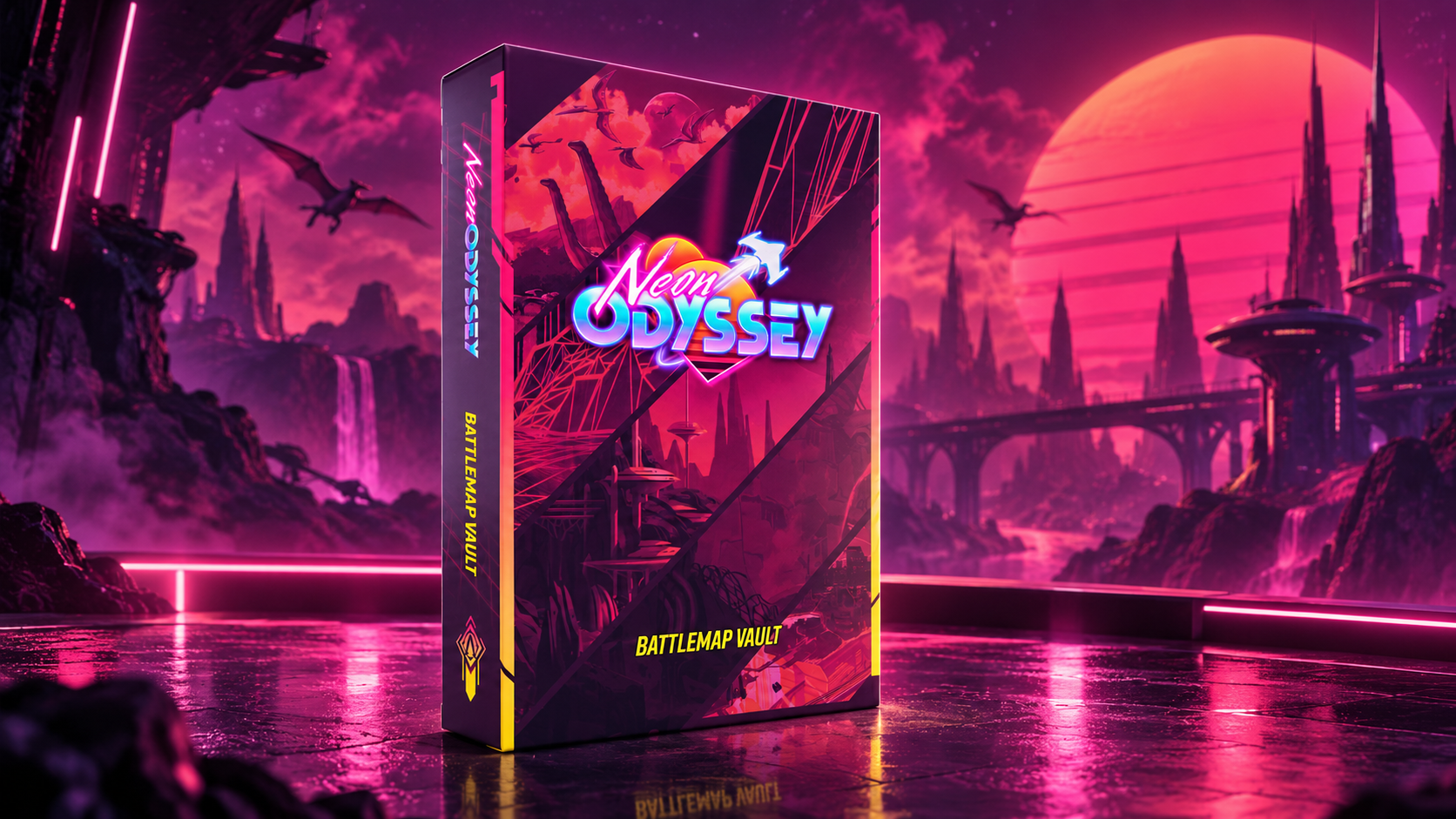 From our portfolioNeon Odyssey · AvantrisKey art, miniatures and dice built as one visual system before launch.See the case study →
Choose your platform, length and funding goal
Before production starts, lock three decisions that shape every asset. First, the platform: compare audiences and pledge managers in our Kickstarter vs Gamefound vs BackerKit guide. Second, the campaign length: Kickstarter’s Creator Handbook recommends 30 days or less, noting that shorter campaigns often have higher success rates and create a sense of urgency. Third, the funding goal: it should cover your minimum print run, fees and shipping, not the dream edition of the game. Use our Kickstarter fee calculator to model it.
6–3 months out: the pre-launch page and teasers
Your Kickstarter pre-launch page is where followers sign up to be notified on day one. Teasers, short loops and component close-ups give people a reason to follow. Read our guide to building a pre-launch follower list for the full playbook.
8–4 weeks out: trailer, page visuals and ads
This is the heaviest production window. Lock the trailer script, render the remaining components and build the visual blocks your page is assembled from: hero GIFs, pledge-level cards, add-on images and a clear “what’s in the box”.
Build a page that converts in the first scroll
Most visitors decide before they scroll. Structure your page so the answer to “what is this game and why should I care?” comes first, and the details follow:
- Hook: title, one-line pitch and the trailer.
- What’s in the box: a single render of every component in a pledge level.
- How it plays: three to five visual steps, or a short how-to-play video.
- Pledge levels and add-ons: clear cards with prices and contents.
- Stretch goals: a visual tracker that updates during the campaign.
- World and art: lore, factions and illustrations for the fans who scroll further.
- Team, timeline and risks: the honest section that builds trust.
Plan shipping before you launch
Shipping is where many first-time tabletop campaigns lose their margin. Decide early whether you will offer region-friendly shipping (for example “EU friendly”, shipping to backers from inside the region so they avoid surprise VAT bills) and how you will charge for it. Jamey Stegmaier’s lesson on calculating and paying VAT explains the mechanics, and many creators now collect shipping later through a pledge manager rather than during the campaign.
Launch day and the first 48 hours
Momentum drives Kickstarter discovery. Have your launch-day social posts, email visuals and ad cut-downs ready before you press launch, so your team can focus on comments and backers instead of production.
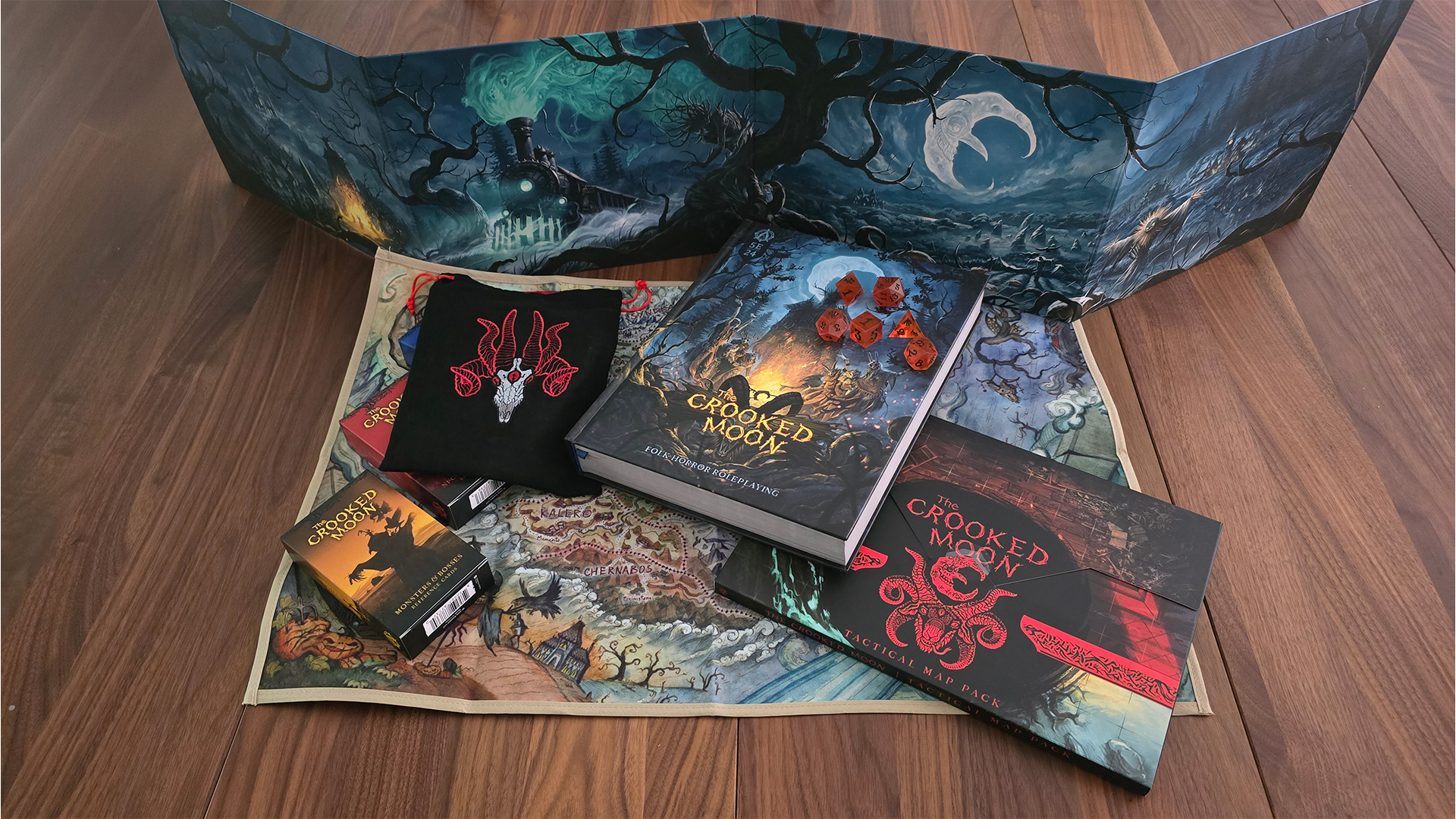 From our portfolioThe Crooked Moon · AvantrisDice renders that opened the campaign page on day one.See the case study →
During the campaign: stretch goals and updates
Prepare stretch goal graphics in advance, with real component upgrades rather than filler. Our article on board game stretch goals explains how to plan them without blowing your budget.
After the campaign: late pledges and retail
Since 2025 Kickstarter offers its own Pledge Manager, alongside late pledges. Reuse your campaign visuals to keep selling: the same key art and renders become your late-pledge store and, later, your retail listing.
What we learned producing visuals for $20M+ in campaigns
Working on the launch creative for Legends of Avantris’ Neon Odyssey (269× its goal) and The Crooked Moon (201×) taught us three things that apply to any tabletop launch:
- Speed matters as much as polish. Campaign calendars don’t move. A large catalog of renders delivered on time beats a perfect asset delivered late.
- One visual system, every format. The same lighting, materials and color across page, trailer, ads and stretch goals makes a campaign feel premium and recognizable.
- Show how things work, not only how they look. Animated component details answer backers’ questions faster than paragraphs of text.
Common mistakes to avoid
- Starting the trailer two weeks before launch.
- Launching without a pre-launch follower list.
- Stretch goals that weren’t priced into unit costs.
- Key art that only works in one crop.
- Burying the pitch under backstory and production history.
The complete checklist
- Platform, campaign length and funding goal decided
- World bible and key art (12–6 months)
- Pre-launch page, teasers and lead ads (6–3 months)
- Trailer, renders and page visuals (8–4 weeks)
- Launch-day social and email assets
- Stretch goals and update graphics
- Shipping strategy and pledge manager chosen
- Late pledge and retail visuals
Want a second pair of eyes on your plan? Book a free 15-minute launch call and we’ll map the creative your campaign needs.
Frequently asked questions
How long does it take to prepare a board game Kickstarter?
Most successful tabletop campaigns start preparing 6 to 12 months before launch. Key art and the pre-launch page come first, while the trailer and page visuals are produced in the final one to two months.
What is the success rate of tabletop games on Kickstarter?
According to Kickstarter, 80% of the 6,646 tabletop projects launched in 2024 were successfully funded, the highest rate in the platform’s 15-year history.
Do I need a video for my board game Kickstarter?
A video is not required, but Kickstarter notes that projects with compelling videos tend to succeed at a much higher rate.
What visuals does a board game Kickstarter page need?
At minimum: key art, a logo, box and component renders, a trailer, a clear “what’s in the box” image, pledge-level graphics and stretch goal visuals.


