

- Stretch goals encourage bigger pledges and more sharing.
- Split them into component upgrades and component additions.
- Price every goal into your unit cost before launch.
- Design a consistent locked/unlocked graphic system in advance.
Stretch goals are the most tabletop-specific tool in crowdfunding. Done well, they keep momentum through the mid-campaign slump. Done badly, they quietly eat your margin.
Why stretch goals work
Jamey Stegmaier of Stonemaier Games, whose Kickstarter Lessons are a reference for tabletop creators, summarizes it simply: stretch goals encourage backers to pledge more and to share the project with others.
Upgrades vs additions
Stegmaier’s later “Root Method” splits stretch goals into component upgrades and component additions, mostly tied to funding thresholds. Upgrades (better tokens, metal coins, linen finish) improve every copy; additions (new cards, scenarios, miniatures) expand the game.
Setting thresholds
- Space early goals close together to celebrate day-one momentum.
- Widen the gaps in the middle of the campaign.
- Keep a few reveals for the final 48 hours.
The visuals that sell a stretch goal
A stretch goal is only as exciting as its image. Plan a consistent graphic system: a locked/unlocked state, a progress bar on the page and a social-ready version of each reveal. Renders of upgraded components are ideal, because backers can see the difference before it exists.

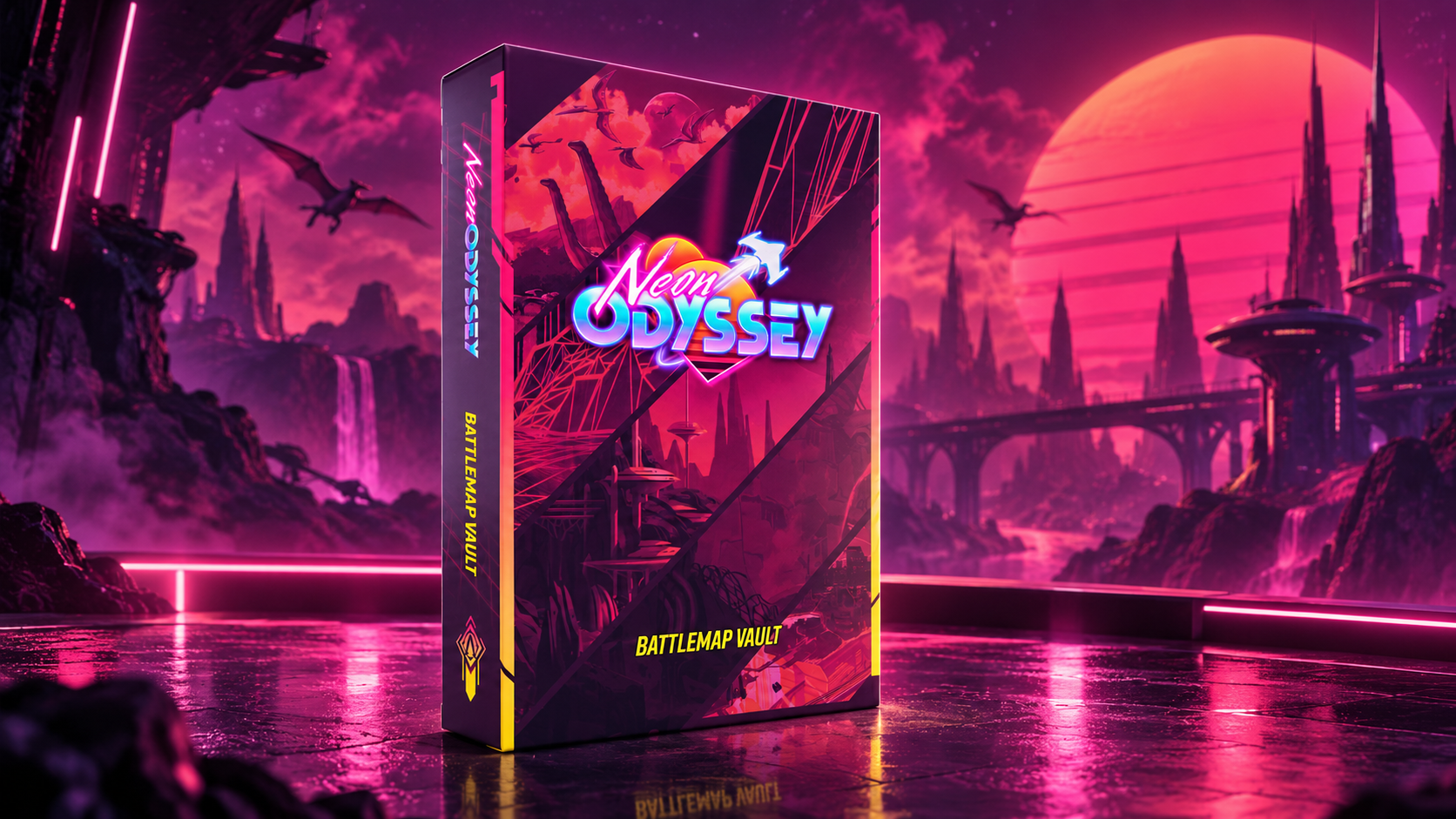 From our portfolioNeon Odyssey · AvantrisStretch goal visuals for a campaign that kept unlocking.See the case study →
When you run out of goals
Stegmaier also covers what to do if you run out of stretch goals. The honest answer is often to stop adding: backers increasingly prefer the best version of the game over a long list of extras.
Frequently asked questions
What are good stretch goals for a board game?
Component upgrades that improve every copy (better tokens, metal coins, linen finish) and additions that expand the game (new cards, scenarios or miniatures), each priced into your costs.
How many stretch goals should a Kickstarter have?
There is no fixed number. Space early goals close together to celebrate momentum, widen the gaps mid-campaign and keep a few reveals for the final 48 hours.
Should I reveal all stretch goals at once?
Creators use different approaches, from one goal at a time to showing several goals without amounts. Jamey Stegmaier’s Kickstarter Lessons compare these methods.
What if my campaign runs out of stretch goals?
Often the best option is to stop adding goals: backers increasingly prefer the best version of the game over a long list of extras.


